
The Marungu Hills, overlooking the Itinyi Valley, are home to an indigenous forest with its own sustainable ecosystems and eco-climate, thriving even in long drought periods. Below the tree line of protected forest, deforestation, poor land and farming techniques combined with hostile weather conditions combine to create deep gullies, soil erosion and extreme poverty for the local residents. The 22-acre Global Angels Farm is nestled on the slopes of these hills, just below the tree line.
Using permaculture design principles centred on whole systems thinking, we aim to simulate and directly utilize the patterns and resilient features observed in the natural ecosystems of the hills to regenerate agriculture and develop community resilience in the valley.
We’re working on an ‘inclusive business’ model where all stakeholders benefit. To build a sustainable circular economy within this community, we’re using the principles of permaculture in our farming. Activities include poultry farming, forest garden creation, soil regeneration, water collection and storage, bee keeping, pig farming and mill development projects.
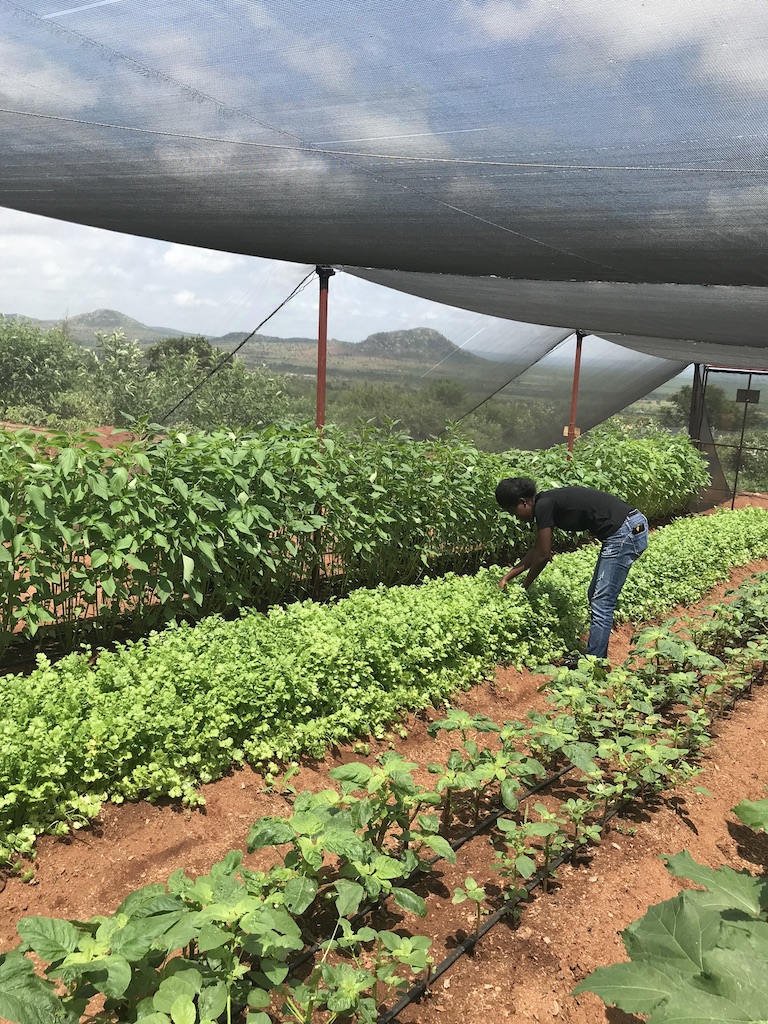
Shamba: This year we’ve worked hard on protecting our Shamba (Swahili for farm), shade houses, roads, and buildings from flooding and erosion. Recently a Kenyan consultant civil engineer visited to train us and our staff on permaculture principles and techniques, to make the land sustainable and reverse soil degeneration.
We’ve planted vetiver grass, and other indigenous plants and trees to slow rainwater and make the land more stable. Creating living fences from sisal and acacia shrubs we are protecting our property from baboons and other wildlife.
Two 400,000 litre water pans collect rain water and the two 200,000 litre masonry tanks we built, store the water for irrigation. By putting guttering on all our buildings and adding water tanks we can collect significant amounts of rainwater for the farm.
Our fields grow and harvest crops of sorghum, millet, pigeon peas other legumes for our mill and for sale. Our orchards have passion fruit vines, citrus trees, papaya and banana trees. We’ve started our first two forest gardens on the property and have our first ten beehives.
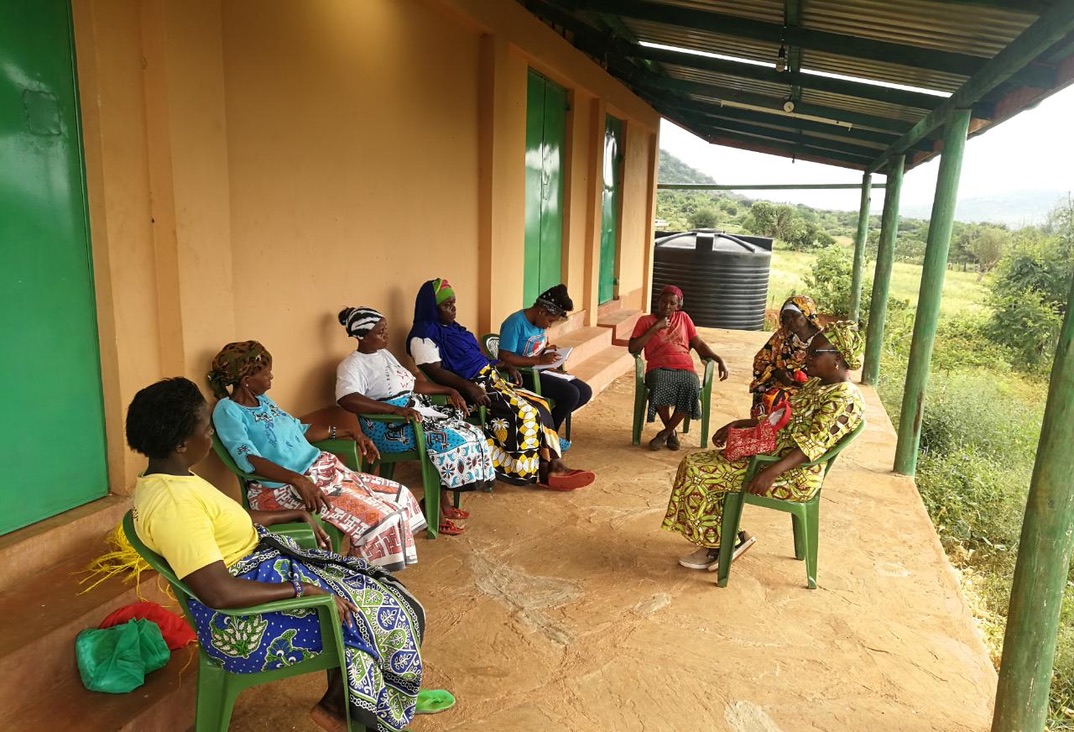
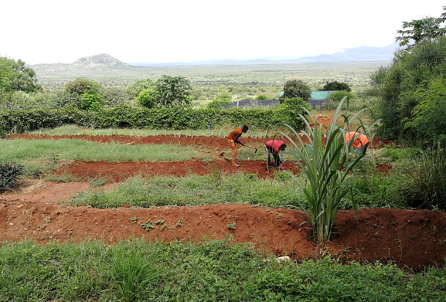
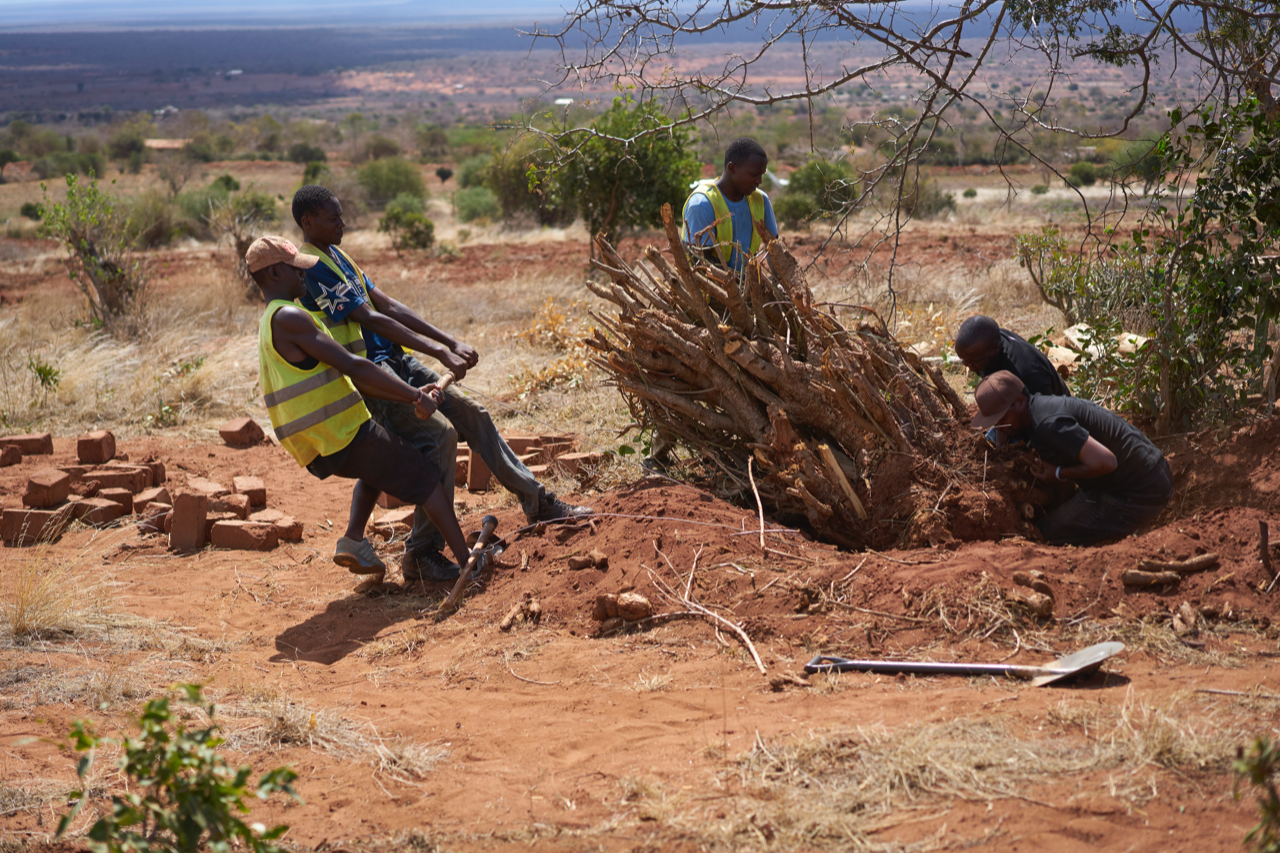
Our team built three shade houses that protect our organic vegetables from extreme weather and insects. Local women and young men worked as casual labour to help us contour the land with swales to protect our farm from flooding, to capture rainwater, slowing it’s flow and adding moisture to our fields.
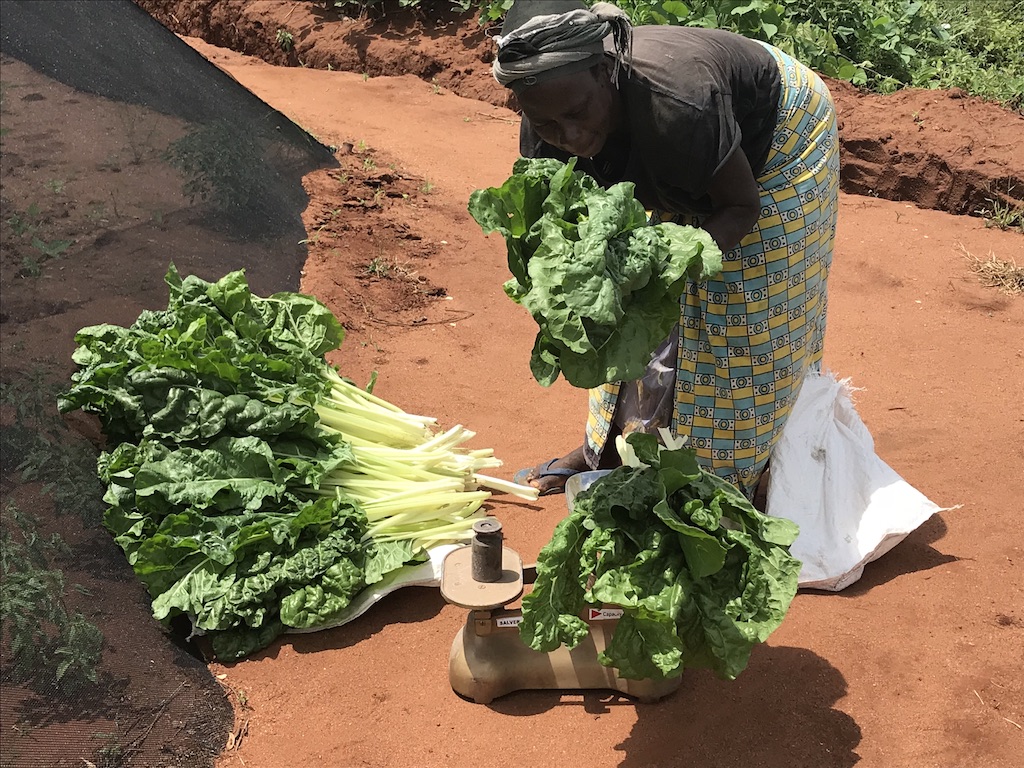
Our aim is to provide organic vegetables, legumes and fruit for the school feeding programme, local families and businesses to make the project sustainable.
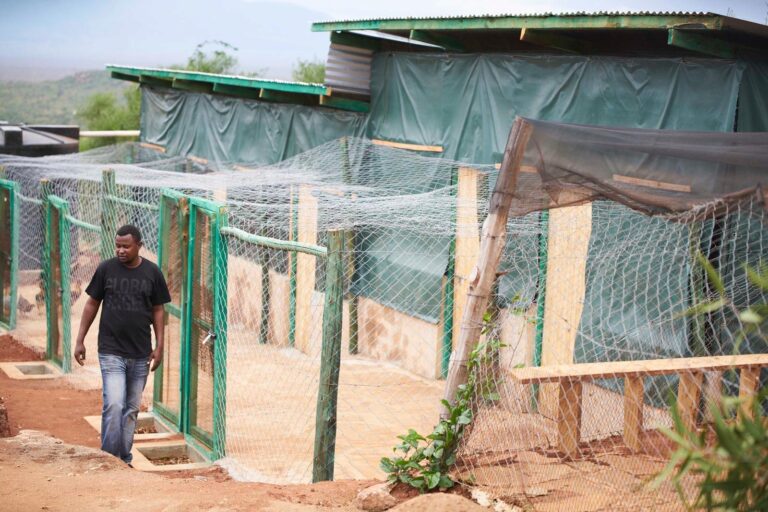
Poultry Farm: Over the last year we’ve created new buildings to house free-range chickens. Our reputation for excellent indigenous poultry is growing amongst local restaurants and lodges.
We are working to get our Government Certificate which will allow us to develop the business throughout the region, employ more local workers and becoming more financially sustainable as a farm.

Our new generator keeps the freezers running when we have a power cut or solar isn’t sufficient. Our new Tuk-Tuk Cargo vehicle takes our produce to market and transports material between the Mkulima Center and the Farm.